

What Is Bedside Vigil Support at the End of Life?
Bedside vigil support offers a calm, steady presence during the final hours or days of life. Learn how a death doula can support families, explain what may be happening, and help loved ones feel less alone at the bedside.
VSED Explained: Voluntarily Stopping Eating and Drinking
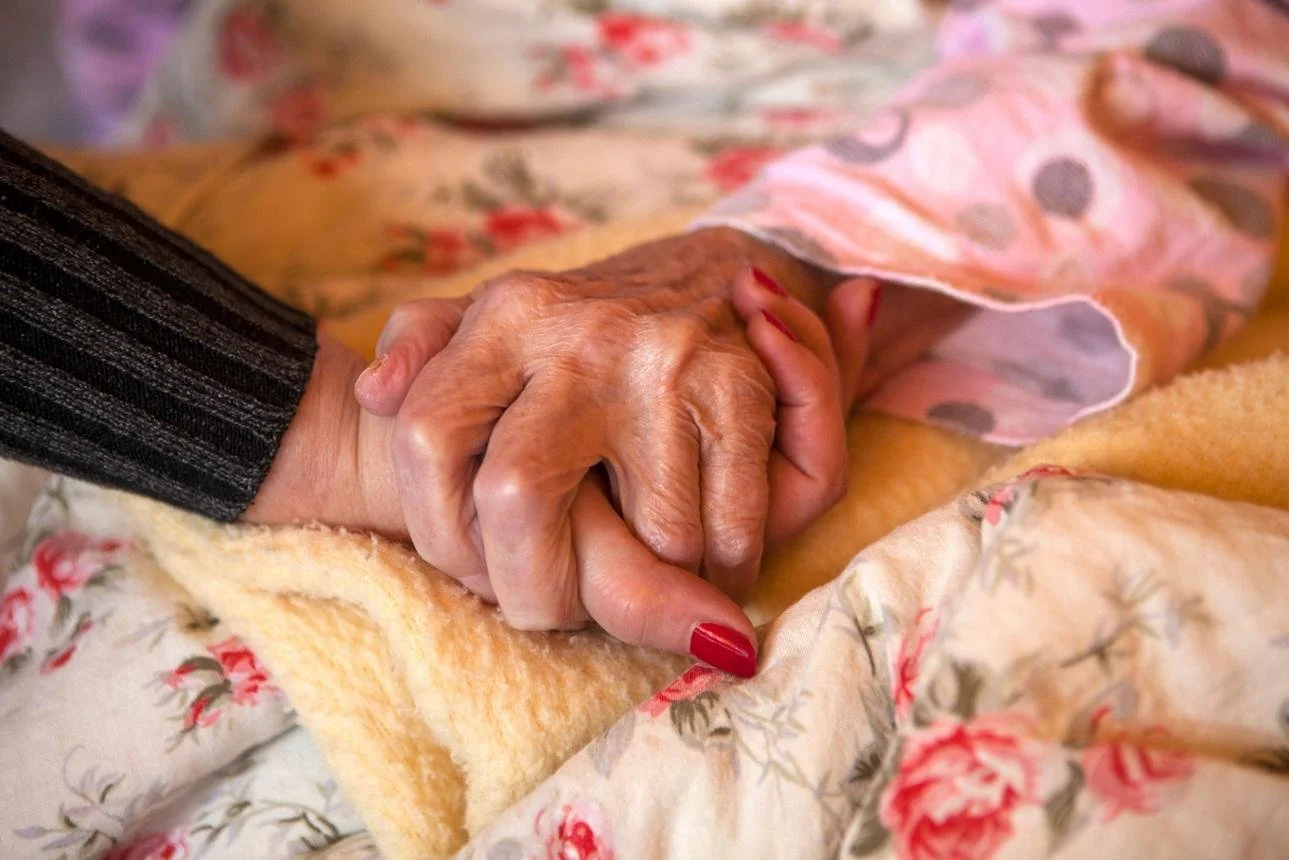
What is VSED, and why do people choose it? A grounded look at an often misunderstood end-of-life option. Learn how this end-of-life option works, what to expect, and how to get support for this end-of-life option. If you are in New Jersey and the Philadelphia area, I can help

Understanding Hospice Care Support at the End of Life
Planning for or navigating the end of life can feel overwhelming, especially when emotions run high and decisions feel uncertain. Hospice care exists to bring peace, comfort, and compassion to both the person who is dying and their loved ones. Hospice is not about giving up; it’s about choosing how you want to live in your final chapter. It centers on dignity, comfort, and meaningful moments, focusing on the quality of life rather than extending it at all costs.

Understanding Medical Aid in Dying: Choice, Clarity, and Compassion at the End of Life
Conversations about death are never easy, but they become even more difficult when we’re talking about suffering, autonomy, and the right to choose how we meet the end of life. Medical Aid in Dying (MAiD), also known as Death with Dignity, is one of those topics that people often tiptoe around. Yet for many people, it provides a sense of peace, clarity, and control in their final chapter.

End-of-Life Care Plan Guide: Protect Your Wishes and Support the People You Love
Planning for the end of life is one of the most loving and empowering actions you can take, for yourself and for those you care about. Creating an End of Life Care Plan ensures your wishes are honored, reduces stress for loved ones, and brings clarity and peace during a challenging time.
This guide explains what to include in an End-of-Life Care Plan, why it matters, and how the process works with a Certified Death Doula.
Guide to Writing a Meaningful Eulogy
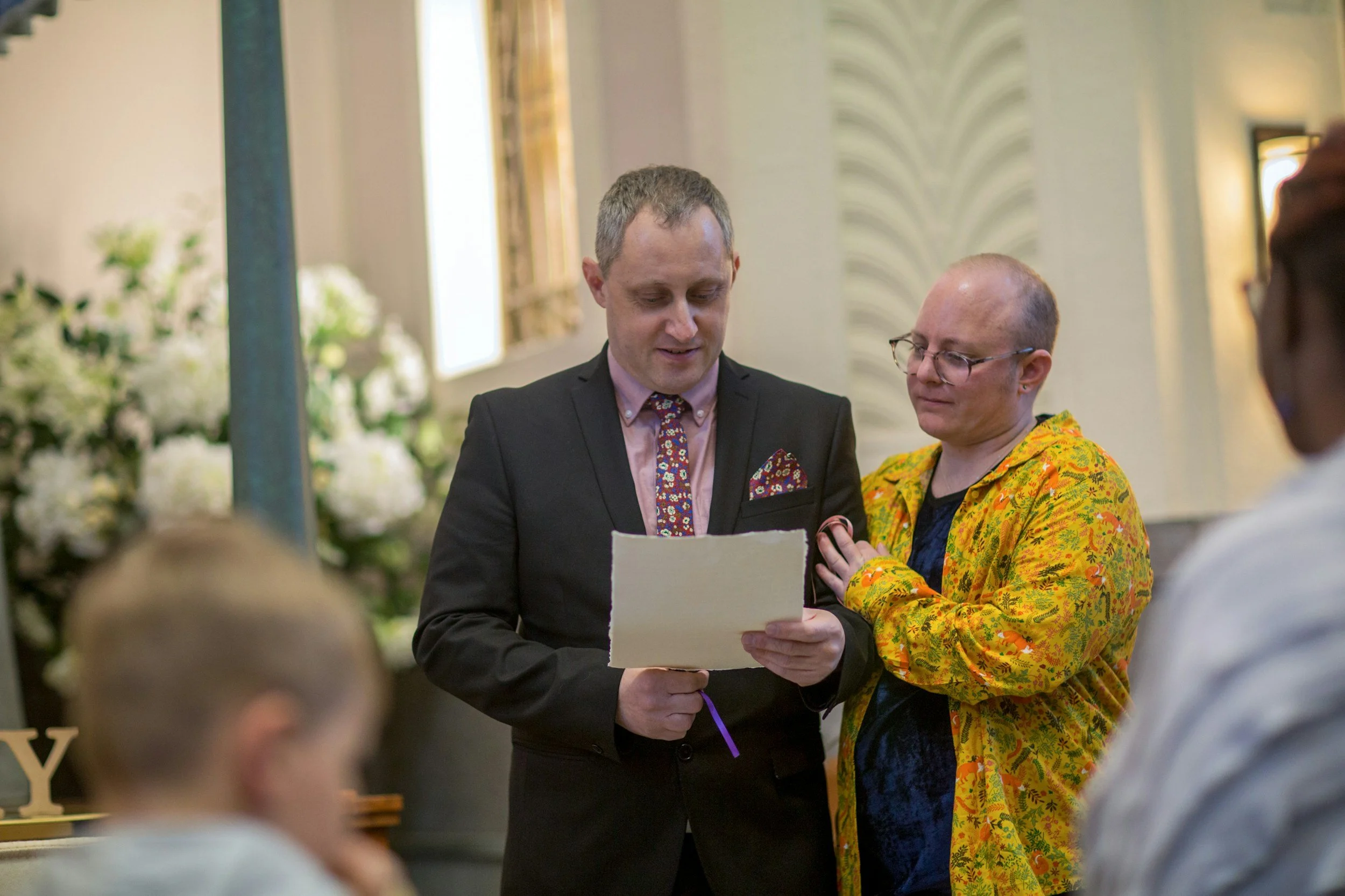
Funerals often have a familiar rhythm. Nowadays, people are starting to think a little more out of the box, but there are some elements that last. You usually hear readings from scripture or poems, prayers led by clergy, hymns or songs sung, maybe a slideshow or photos. All these elements help guide the ceremony, offering structure in a time that can feel chaotic and raw. But for many people, the thought of giving a eulogy, the part where you speak about your loved one, is the most intimidating. Suddenly, you’re expected to capture a whole life in a few minutes, to put into words the love, the laughter, the lessons, and the legacy. It can feel overwhelming, even impossible, and that’s where guidance from a skilled funeral celebrant can make all the difference.
What is an End-of-Life Care Plan and Why You Need One
Planning for the end of life isn’t easy to think about, let alone talk about, but it’s one of the most loving, empowering things you can do for yourself and the people you care about. An End-of-Life Care Plan is more than just a stack of legal documents. It’s a personalized roadmap that captures your values, wishes, and priorities for your final chapter.

Personalized Funeral Ceremony Ideas
Create a meaningful, personalized funeral ceremony with readings, rituals, and music guided by a compassionate funeral celebrant.

Navigating Grief: Finding the Support You Need
Discover grief support and resources to help navigate loss, bereavement, and end-of-life challenges. Connect with professionals and explore tailored guidance using the Grief Support Navigator Tool.

Writing a Letter for Closure and Healing
Life is a journey filled with special moments and the love of those who matter most. As we near the end of this journey, it's natural to reflect on what is most important. Writing a goodbye letter to your loved ones can be a deeply meaningful and comforting process. It allows you to cherish memories, express gratitude, and share your love in a lasting way. This letter becomes a treasured keepsake, offering comfort and connection to those you leave behind.

Honoring Alternative Spiritual Beliefs at the End of Life
End-of-life care should honor the diverse spiritual and religious beliefs of those facing death. While religion follows structured practices within a community, spirituality is often a personal journey of meaning and connection. Many individuals identify as "spiritual but not religious" or embrace alternative spiritual practices such as meditation, energy healing, or divination.
For caregivers and professionals, respecting these beliefs means asking open-ended questions, learning about different traditions, and creating inclusive environments. Spirituality can offer comfort, reduce death anxiety, and foster a sense of belonging for aging individuals. From prayer and affirmations to rituals and sacred tools, there are many ways to support someone’s spiritual needs at the end of life.
By embracing religious and spiritual diversity, we help ensure that every person’s final journey is met with respect, understanding, and care.


Embracing Death Positivity
Discover the transformative impact of the Death Positive movement, which encourages open conversations about death, grief, and end-of-life planning. This movement empowers individuals to confront mortality with curiosity and acceptance, reducing death anxiety and enriching our appreciation for life. In this post, we explore what death positivity means, why it matters, and how embracing this philosophy can foster resilience and a meaningful legacy. Tune into my death-positive podcast for deeper insights, and visit my store to find death-positive apparel that sparks conversation and supports this important work.

The Importance of Death and Grief Education: Why We Should Talk About End-of-Life
End-of-life education for families, caregivers, and healthcare professionals is essential in building a more compassionate society that is prepared to handle life’s toughest transitions. Whether through children’s grief education or trauma-informed grief education training, teaching others about death can have profound impacts. End-of-life education and planning encourage individuals to explore options for care, from understanding hospice to developing advanced directives.

Healing Through Letter Writing: Finding Closure in Life and Grief
Letter writing serves as a transformative practice for individuals navigating grief or seeking closure with loved ones. This process allows people to articulate feelings and experiences related to their relationships, providing a safe space for emotional expression. By writing letters to family members, individuals can confront unresolved emotions, communicate unspoken thoughts, and process their grief without judgment.
Engaging in this reflective practice can also facilitate healing at the end of life, as it encourages meaningful conversations and connections. The act of writing fosters a deeper understanding of personal feelings and experiences, ultimately leading to emotional release and growth.
Additionally, research highlights the substantial emotional and physical health benefits of expressive writing, including reduced stress and improved mood. For those grappling with loss, letter writing can help address anything left unsaid, offering a sense of closure and peace.
If you're interested in personalized support through rituals and ceremonies or mourning doula services, explore how End of Life Clarity can assist you in honoring your loved ones while navigating your grief journey.

Navigating Loss, Grief, and Embracing Change with Hospice Care Service Support
When facing the inevitable reality of a loved one's terminal illness, understanding the importance of hospice care service becomes crucial.

Understanding the Role of Death Doulas: A Curated List of Essential Seeing Death Clearly Podcast Episodes
To deepen your understanding of the work of death doulas, I’ve compiled a list of podcast episodes from Seeing Death Clearly that feature conversations with professionals in this field. These episodes offer valuable insights into their experiences, approaches, and the impact they have on end-of-life care.

Exploring the Future of End-of-Life Planning with Isabel Knight
In our recent conversation, we talked about the complexities of end-of-life planning, challenging norms, and promoting intentional living. Isabel shared insights from her work, which spans from designing human-centered systems for end-of-life care to advocating for more inclusive and affordable funeral practices. Let's explore some key takeaways from our conversation.

Unlocking the Transformative Power of Soul Awakening: A Death Meditation Journey of Self-Discovery
In a world where the concept of death often evokes fear and uncertainty, the Soul Awakening Death and Rebirth Ritual offers a unique approach to confronting mortality and embracing the transformative power of the human experience. Rooted in ancient rituals and modern mindfulness practices, this ceremonial journey invites participants to explore the depths of their souls, shedding light on life's mysteries and the interconnectedness of all things.

The Evolution of End-of-Life Care: A Conversation with Barbara Karnes
In a recent episode of "Seeing Death Clearly," host Jill McCLennen, a death doula and end-of-life coach, delved into the evolution of end-of-life care with none other than Barbara Karnes, the esteemed godmother of modern-day hospice. Their conversation traversed the shifts in societal perceptions of death, the emergence of hospice care in the 1970s, and the pivotal role of end-of-life doulas in providing holistic support during the dying process.