
VSED Explained: Voluntarily Stopping Eating and Drinking
Most people have never heard of VSED until they’re in a situation where they need to; even a lot of medical care providers, including primary care physicians and hospice, have never heard of it.
VSED stands for Voluntarily Stopping Eating and Drinking. It’s exactly what it sounds like: a conscious decision to stop taking in food and fluids to allow the body to die naturally.
And I want to say this right away, because it matters.
This is not about giving up. This is not about someone being “done with life” in a careless or impulsive way.
VSED is a legal and gentle end-of-life choice that can help to end someone’s suffering.
A choice that people often come to after a lot of thought, conversation, and reflection.
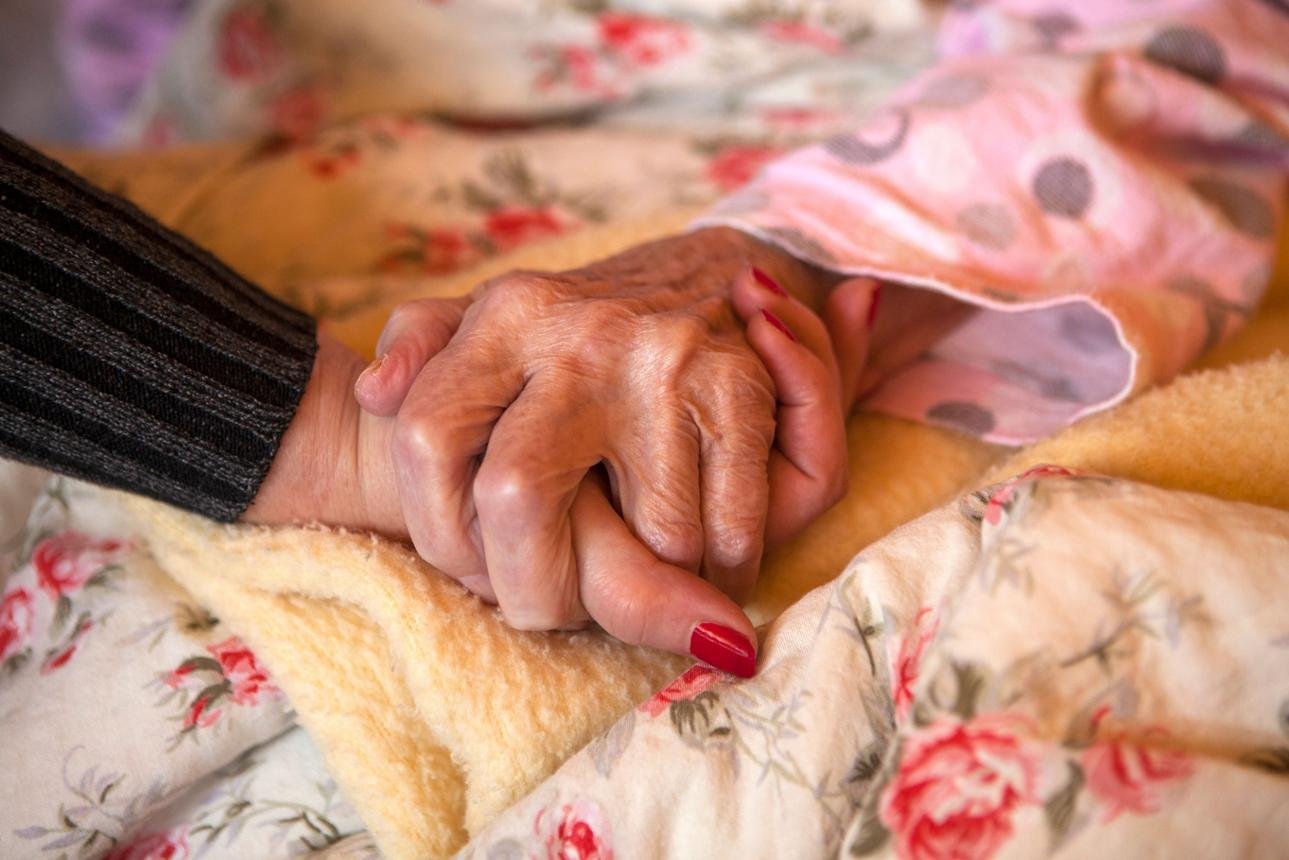
Even in the hardest moments, no one has to do this alone.
Why Someone Might Choose VSED
People consider VSED for many different reasons, but there are some common threads I see in this work.
Sometimes it’s someone living with a serious illness who feels their quality of life has become unacceptable to them.
Sometimes it’s someone with a progressive condition who knows what’s coming and wants to have some say in how their life ends.
And sometimes it’s about autonomy.
The ability to say, this is my body, my life, and I want to make a conscious decision about how this unfolds.
In places where Medical Aid in Dying isn’t accessible, or where someone doesn’t meet the criteria of having a terminal diagnosis of 6 months or less, VSED can be an option that is available everywhere.
What the Process Looks Like
There’s a misconception that VSED is painful or chaotic.
When it is supported well, that’s not usually the case.
The process is gradual. As the body stops receiving food and fluids, it begins to slow down. Hunger often fades after the first few days. Thirst can be managed with good mouth care, simple things like swabs and lip balm make a big difference.
Energy decreases. People sleep more. The body naturally moves toward shutting down.
Most people who complete VSED die within about 1–3 weeks, depending on their health and condition. (ScienceDirect)
This is where support matters.
Having a care team including hospice, family, and someone like a death doula will help manage symptoms, provide comfort, and make sure the person feels safe and supported throughout.
The Emotional Side of VSED
VSED isn’t just a physical process. It’s an emotional one.
For the person choosing it, there can be a sense of peace in having some control. There can also be moments of doubt, sadness, or even relief.
For loved ones, it can be complicated.
Even when they understand and respect the decision, there can still be grief, questions, and a need to process what’s happening.
In most cultures, feeding someone is the ultimate act of love and care, so watching a loved one choose to not eat or drinking, in order to bring on death, can be a real challenge.
This is why conversations matter so much.
Being able to talk openly before, during, and after, can change how this experience is held by everyone involved.
Is VSED Legal?
Yes. VSED is a legal end-of-life option in all 50 U.S. states.
That’s because every competent adult has the right to refuse medical treatment, including food and hydration. (Compassion & Choices)
This right has been supported legally at the highest level, affirming that people can make decisions about their own bodies and care.
That said, support systems can vary. Not all healthcare providers are familiar with VSED, and not all hospice agencies approach it the same way.
This is where guidance can be really helpful, making sure the right people are involved and that everyone understands the plan.
VSED is not for everyone.
But it is an option.
And like so many things in end-of-life care, what matters most is that people know they have choices.
That they can ask questions.That they can think about what matters to them.That they don’t have to wait until a crisis to start these conversations.
If you’re in New Jersey, South Jersey, or the Philadelphia area and want to talk through end-of-life planning, including VSED, hospice, or Medical Aid in Dying, you don’t have to figure it out alone.
This is exactly the kind of conversation I hold space for.
Frequently Asked Questions About VSED
Is VSED the same as suicide?
No. VSED is generally understood as a person exercising their legal right to refuse food and hydration. It’s different from assisted dying because no medication is prescribed or administered to cause death. (Annals of Palliative Medicine)
Can someone change their mind?
Yes. At any point, a person can choose to begin eating and drinking again. (Death With Dignity)
Is it painful?
When supported properly, VSED is not typically associated with extreme pain. Symptoms like dry mouth or discomfort can be managed with good palliative care. (Palliative Care Network of Wisconsin)
Who is VSED for?
Most often, it’s considered by people with serious, life-limiting illnesses who feel their suffering or quality of life is no longer acceptable to them. They do not have to be terminally ill.
Does hospice support VSED?
Sometimes. Some hospice teams are very experienced with VSED, while others are less familiar but willing to help with some education, and some may have policies against it. This can vary widely. Bringing on someone who can help you to research and choose the best hospice for you is important.
References
Compassion & Choices. VSED FAQ (Compassion & Choices)
Death with Dignity. Options to Hasten Death (Death With Dignity)
Journal of Pain & Symptom Management. Clinical Guidelines for VSED (ScienceDirect)
Palliative Care Network of Wisconsin. Fast Fact #379 (Palliative Care Network of Wisconsin)
American Journal of Hospice & Palliative Medicine / APM overview (Annals of Palliative Medicine)
Systematic review noting legality across the U.S. (Sage Journals)
